
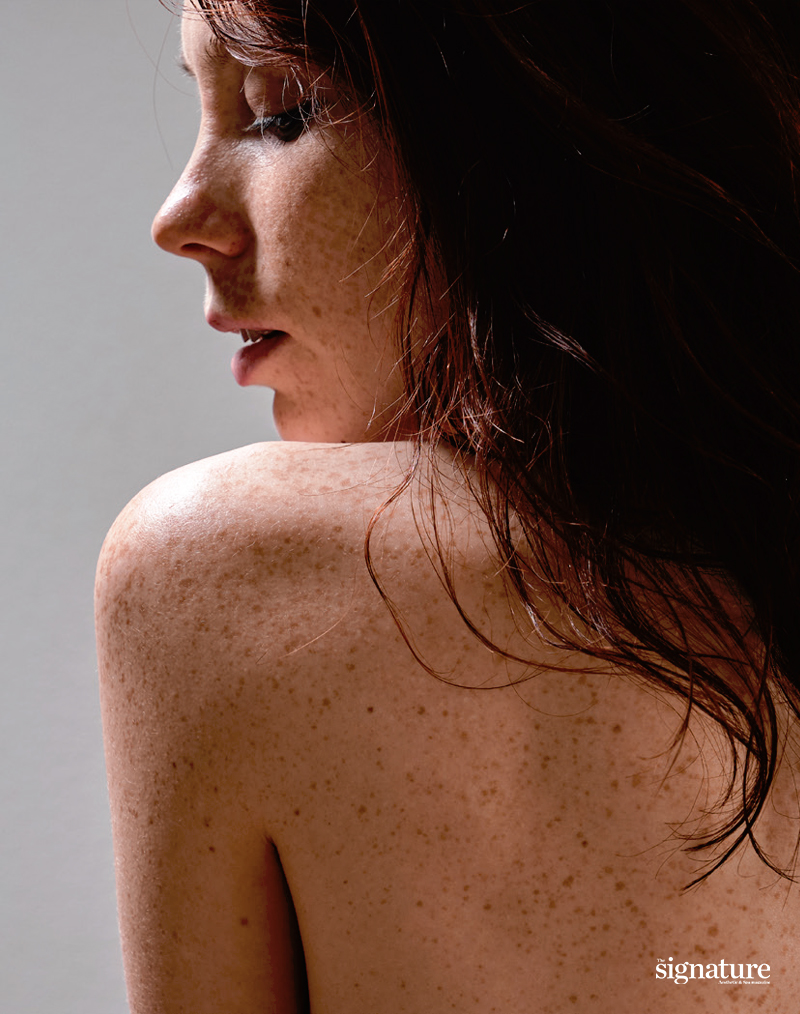
Body weight may drop noticeably, yet the line reflected in the mirror often stays the same. Between a lower number and an unchanged silhouette lie factors that fat volume alone cannot explain. Body care today calls for attention to posture and skin condition, not just reduced volume.

Does Dieting Alone Complete a Body Line?
Weight loss and body contouring may look similar, but they are not the same concept. Weight loss addresses changes in overall body weight and fat. Non-invasive body contouring, by contrast, targets localized fat and circumference in specific areas, along with visible changes such as muscle firmness and cellulite. This approach is distinct from methods that treat obesity or produce health changes tied to weight loss.
Not every area shrinks at the same rate, however. Some areas, such as the waist, show noticeable change, while others, like the arms or thighs, show less. As a result, weight may drop while the overall body silhouette feels largely unchanged. Conversely, even with little weight change, a shift in the circumference and contour connecting areas such as the abdomen and hips can alter the silhouette. This is why weight loss and body contouring warrant separate consideration.
A body line is shaped less by the size of a single area than by the proportion and curve formed by connected areas. These include the abdomen and waist, or the hips and thighs. Even if abdominal circumference decreases, the change may seem less noticeable if the line connecting nearby areas like the flanks and hips remains the same. Similarly, the overall impression of the arm changes only when the width from shoulder to elbow shifts together. This matters more than the thickness at a single point on the upper arm.

Three Factors That Shape a Body Line
Fat, muscle, and skin together shape the proportion and curve of a body line. Fat distribution forms the basic volume, while posture and movement influence the direction in which that volume appears. Skin then determines the final impression through hydration, elasticity, and surface texture. Rather than addressing all three in a fixed order, it helps to first identify which factor plays the larger role in a given body line.
01 Fat
: The Axis Behind Volume and Curve by Area
Fat should be considered not only in terms of quantity but also where it is distributed. Subcutaneous fat sits throughout the body, including the abdomen, arms, flanks, hips, and thighs, but its distribution and thickness vary by area. Several factors, including genetics, sex, age, and hormonal environment, influence this variation. Fat may concentrate in the upper body, or center on the hips and lower body. Depending on this pattern, overall curves may look different even at the same body fat percentage. Even within a single area, fat spread broadly versus concentrated in one section creates different impressions from the front and side. Fat distribution also shifts with age, so areas around the abdomen or waist that drew little attention before may become newly noticeable. Still, an area appearing larger does not necessarily mean more fat has accumulated there. If circumference varies by time of day along with a feeling of heaviness, temporary swelling and lifestyle factors should also be considered.
02 Muscle
: The Standard for Posture and Movement That Support the Body
Muscle does not directly lift fat and skin; rather, it moves the bones and joints and maintains the body’s position. Abdominal, hip, and leg contours can look different depending on how the torso and pelvis are held. Even when the left and right lines appear similar while standing still facing forward, this can change during movement. Weight may shift onto one leg first when walking or rising from a chair. If the direction of weight-bearing changes in this process, the left and right lines of the hips and thighs may also look different. In a posture where the pelvis tilts forward and the lower back curve is emphasized, the abdomen may look more prominent from the side. This can occur regardless of fat volume. Prolonged reduced activity may also lower muscle strength and movement function. However, standing posture and body angle alone can change how the abdomen and pelvis appear. A static appearance is not enough to judge actual movement imbalance or muscle function. Everyday posture, walking, and weight-bearing habits should also be considered.
03 Skin
: The Surface That Determines the Final Impression of a Body Line
Separate from fat layer volume, insufficient hydration in the stratum corneum can leave the skin surface looking uneven and lifted. As a result, the overall line may not appear smooth. Skin thickness and flexibility vary by body area, so the same change can show up differently on the surface. After significant weight loss, stretched skin that fails to contract sufficiently may leave sagging behind. Skin elasticity and resilience involve several structures in the dermis, including collagen and elastic fibers. As collagen synthesis decreases and breakdown increases with age, the dermal structure tends to loosen. This can make the skin surface appear more sagging or wrinkled, even without a significant change in fat volume. Cellulite, too, is difficult to explain by fat volume alone. It may be related to fibrous septae connecting the skin to subcutaneous fat. These pull the skin inward while surrounding fat tissue pushes upward, creating concave and convex contours. Structural differences in subcutaneous tissue are cited as one factor behind cellulite appearing relatively more often in women. Still, the degree of cellulite can vary based on several factors beyond sex or weight.

Body Device Solutions Suited to Individual Body Types
For body devices, what matters more than the name is which tissue and what type of energy each one targets. Even devices grouped under non-invasive body contouring differ in whether they target fat, muscle, skin, or subcutaneous tissue, and in how energy is delivered.
Cryolipolysis places a device against the target area or suctions the fat layer. It then applies low temperature for a set duration, selectively damaging fat cells and triggering cell death. The applicator must contact the body’s curves for cooling to reach the target area evenly. Fat layer thickness, distribution, and device shape should all be considered together. Focused ultrasound concentrates sound wave energy that passes through the skin surface onto a specific subcutaneous fat layer, selectively damaging fat cells. Since the depth and range where energy concentrates are fixed, the applicable area can vary with fat layer thickness and distribution. Both methods are used to adjust subcutaneous fat volume and contour in specific areas rather than to produce weight loss.
Devices targeting muscle use external energy to make muscles move repeatedly. EMS relies on the principle that muscles move in response to electrical signals transmitted through motor nerves. Electrical stimulation pads attached to the skin stimulate motor nerves, causing the connected muscles to contract. Because the muscles stimulated depend on pad placement, adjusting the position and intensity to match the target area matters. Pulsed magnetic field devices, by contrast, place a device head over the abdomen or hips and deliver a rapidly changing magnetic field. As the magnetic field passes through the skin, it generates a faint current in the body. This current stimulates motor nerves, inducing muscle contraction. Both approaches induce repeated muscle contraction to help the area appear firmer. Neither, however, implies weight loss or reduced circumference. Device use is therefore best combined with other care rather than relied on alone for body shape change.
Devices targeting skin and subcutaneous tissue also differ in expected effect depending on how they work. Radiofrequency delivers electrical energy to the skin to generate heat in the skin and subcutaneous tissue. This heat is involved in changes to collagen structure and is used to help smooth sagging-looking skin and surface texture. Since the depth and range heat reaches differs by device, application depth and output should be adjusted to match skin thickness and fat layer position. Rolling and vibration devices deliver repeated pressure and movement to the skin and subcutaneous tissue to help smooth an uneven surface. Shockwave devices repeatedly deliver short pressure waves to a target area to manage the skin’s cellulite-related appearance. The range and intensity of stimulation can also vary depending on the location and degree of the skin’s contour.

Care Strategies Tailored to Each Condition Behind a Body Line
Since devices work in different ways, identifying whether a current change relates more to fat, movement, or skin changes where care should start. If swelling-related change stands out, light movement, pressure, and gentle manual care may be worth considering before fat-reduction devices. This type of care focuses on easing swelling and a heavy feeling that vary with time of day and activity level. It helps the body line feel lighter and more comfortable.
If the body line looks different depending on posture and movement, muscle-contraction devices are not the only answer. Combining walking and strength exercise with adjusted posture habits may help more. In particular, reducing habits such as maintaining the same posture for long periods or bearing weight on one side can help. These changes engage supporting muscles more evenly. They can also reduce the appearance of asymmetry along the line connecting the abdomen, hips, and legs.
If skin dryness and surface texture stand out, consider applying hydration and gentle massage rather than increasing heat or friction intensity. A hydrating product can help calm a rough, uneven skin surface. Massage, kept within a range that avoids pulling or pain, may help soften dry, stiff skin. When choosing body products, comfort for consistent use matters more than strong effects. Coenzyme Q10 may help support antioxidant care that protects skin from oxidative stress. Lecithin and plant oils can supplement moisture and oil, helping smooth dry, rough texture. Caffeine is used in body products aimed at helping an uneven skin surface look smoother and firmer. After care, it may help to confirm the skin has returned to a comfortable state before moving to the next step.
Editor JIWON, YANG
Image Shutterstock
The Signature Magazine – September 2026 Issue